Paying Your UK Mortgage From Abroad: Accounts, Transfers and Currency
A UK mortgage is repaid in pounds, but if you live abroad your pay is probably in another currency. Lenders usually want the payments to come from a UK sterling bank account, so you need a reliable way to keep that account funded. This guide covers the account, the transfer options and how to manage the exchange rate risk. It builds on our page on expat mortgages.
This guide is general information, not personal advice or a mortgage recommendation. Lender and bank rules vary and change, so check the current terms before you rely on any point here.
The short answer
- Brokers say lenders typically require repayments to come from a UK-based sterling bank account.
- Keep that account open and funded in advance, so a bad exchange rate day never leads to a missed payment.
- The exchange rate margin often costs more than the transfer fee, so compare the all-in cost.
- If your income and your mortgage are in different currencies, plan for the risk before you borrow.
Keep a UK sterling account
Your mortgage will usually be paid by direct debit or standing order from a sterling account in the UK, so you need one for as long as you hold the loan. Some UK banks restrict or close accounts when you stop being a UK resident, and some offer international or expat accounts with their own rules, such as minimum balances. Ask your bank before you move, and do not rely on closing your UK account and sorting it out later.
Tell your lender that you have moved
If you already have a mortgage and move abroad, tell your lender. If you let the home, you usually need permission or a different type of loan. See our guide to letting your UK home from abroad. Ignoring this can breach your terms, whatever you do about the payments.
How to fund the account
- Bank transfer each month. Simple, but your bank’s exchange rate margin can be wide, and the rate on the day is out of your control.
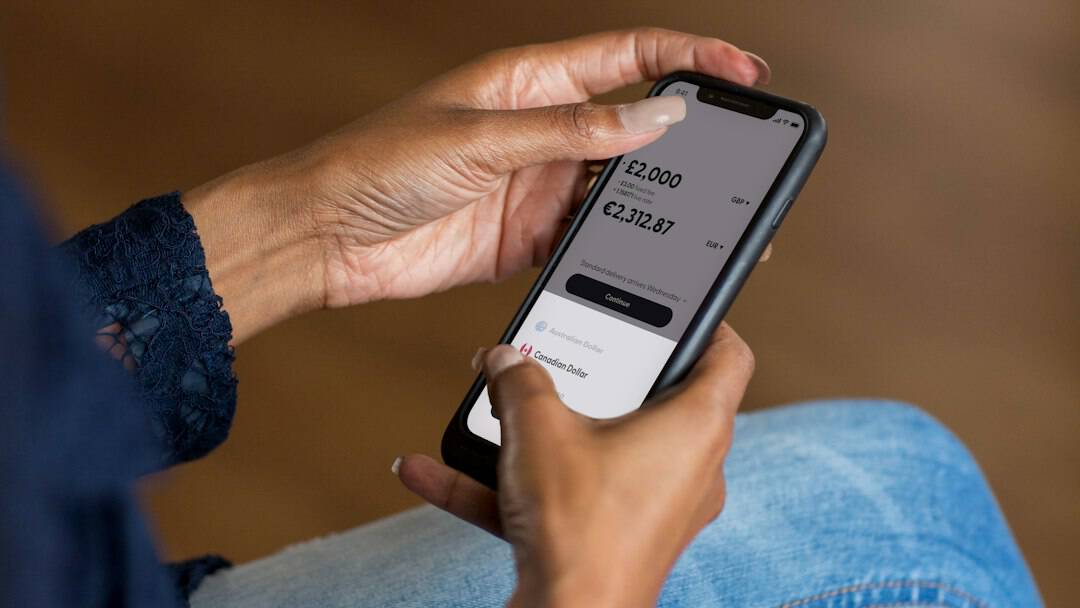
- A regular transfer plan. A specialist currency provider can send a fixed amount on a schedule, sometimes at a rate held for a set period, so your cost is predictable.
- Multi-currency account. Holding both currencies lets you convert when the rate suits and keep a buffer in sterling.
- Rental income. If the property is let, sterling rent paid into the same account can cover most of the payment, which also removes part of the currency risk.
Compare the all-in cost
Providers advertise a transfer fee, but the real cost sits in the exchange rate margin, which can be much larger. Compare the rate you would actually get against the mid-market rate, add any fees at both ends and look at the cost over a full year, not a single transfer. Our guide to currency risk on expat savings explains margins, multi-currency accounts and forward contracts in more detail.
A simple monthly routine
- Set the direct debit or standing order on the same date each month, and note the date in your calendar.
- Fund the sterling account at least a week before the payment is due.
- Check that the money has arrived and the payment cleared.
- Once or twice a year, review the exchange rate you are getting against other providers.
- Tell your bank and lender if your address, phone number or email changes.
A worked example of margins and a buffer
This example uses invented figures and is not a quote. Your mortgage payment is £1,500 a month. If your provider’s exchange rate margin is 2%, each payment costs you £30 more than the mid-market rate, or £360 a year. At 0.5% it costs £7.50 a payment, or £90 a year, so the difference is £270 a year on one mortgage. Over ten years that is £2,700, which is why the margin matters more than a headline transfer fee.
A three-month buffer here would be £4,500 held in the sterling account. If your currency fell sharply, you could keep paying from the buffer while you wait for a better rate, instead of converting at a bad moment.
Build a buffer
Keep several months of payments in the sterling account. A buffer means a sudden fall in your currency, a delayed transfer or a bank holiday cannot cause a missed payment, which would harm your credit record and could breach your mortgage. The buffer also gives you room to wait for a better rate.
Think about the currency risk before you borrow
If your pay is in dollars, dirhams or euros and your loan is in pounds, a rise in the pound makes every payment more expensive for you. Lenders reflect that risk by discounting your income, as our guide to a UK mortgage on foreign-currency income explains. Borrowing less than the maximum, keeping some sterling income and holding a buffer all reduce it. If you are considering a loan in another currency, take advice first, because exchange rate moves can raise what you owe. If a payment problem looks likely, talk to your lender early, and see our page on a secured loan against UK property only as a considered option, not a quick fix.
Common mistakes
- Closing the UK account when you leave without a plan for the payments.
- Judging a transfer provider by its fee alone, not the exchange rate margin.
- Funding the account at the last minute each month.
- Not telling the lender that you have moved abroad or let the property.
- Having no buffer for a fall in your income currency.
Related reading
If you let the property, see our guides to the Non-Resident Landlord Scheme, the expat buy-to-let mortgage and getting a UK mortgage when you return. For the wider picture, see our expat financing hub, our page on UK expat mortgage options and our overview of property finance for expats.
Frequently asked questions
Can I pay my UK mortgage from an overseas bank account?
Brokers say lenders usually require payment from a UK sterling account, so you typically fund a UK account and pay from there. Check your lender’s terms.
Do I need to keep a UK bank account?
In practice, yes, for as long as you have the mortgage. Some banks restrict accounts for non-residents, so ask about an international or expat account before you move.
What is the cheapest way to send money for my mortgage?
It varies. Compare the exchange rate against the mid-market rate, plus fees at both ends, over a year. The margin often matters more than the headline fee.
How big a buffer should I keep?
Many people keep several months of payments in the sterling account. The right size depends on how volatile your currency is and how secure your income is.
What if I miss a payment?
A missed payment can harm your credit record and lead to charges and action from the lender. If you expect a problem, talk to the lender early.
Does letting the property help with payments?
Sterling rent can cover part or all of the payment and reduce currency risk, but you will need the right permission or mortgage, and the rent is taxable in the UK.
This article is for information only and is not financial advice or a mortgage recommendation. Exchange rates move and cannot be forecast, and lender rules change. Take regulated advice before you borrow, and remember that your home may be repossessed if you do not keep up repayments on a mortgage.